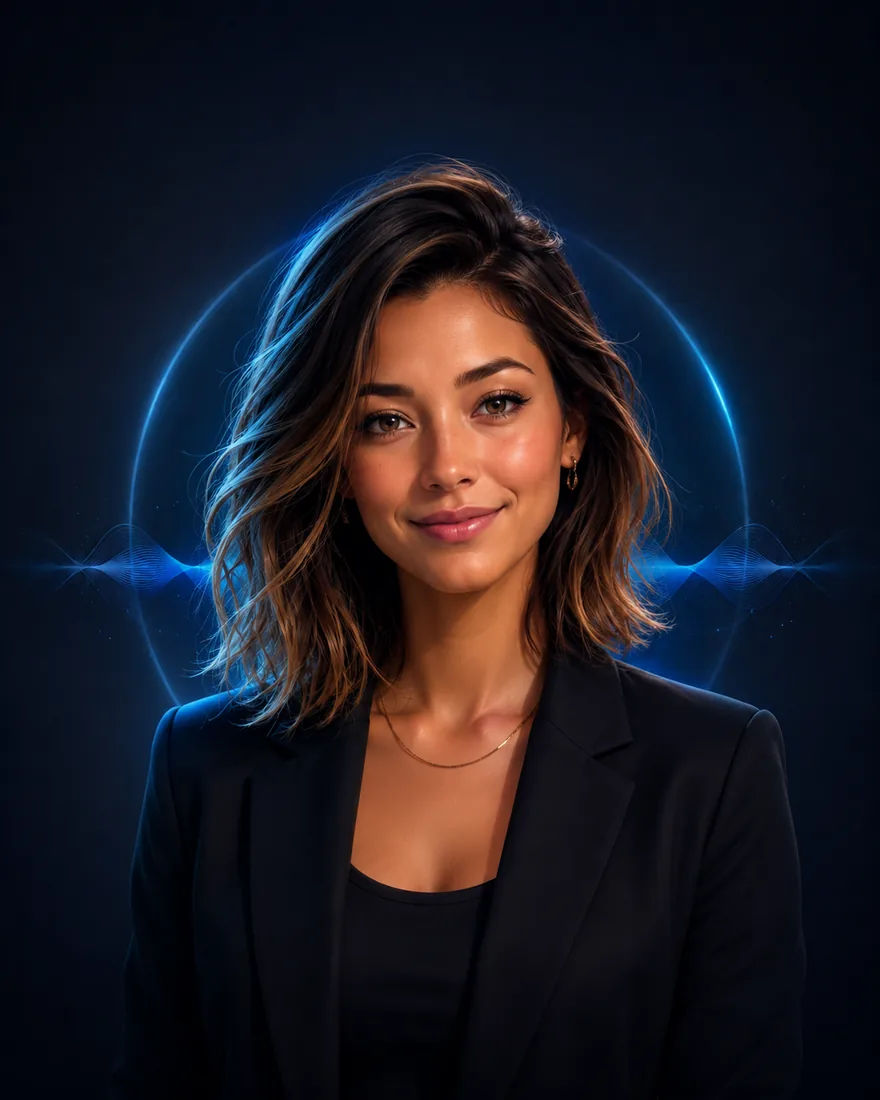
 German · friendly
Lena - clear and approachable
A bright, friendly voice for tutorials, explainer videos and creator voiceovers with a natural tone.
Hear how VANIV prepares voices for real creator workflows: natural speaker voices, multilingual voice profiles, creative voice design examples and audio for videos, Shorts, tutorials and product content.
Compare different voice types directly in the browser and quickly understand which voice fits your video, tutorial or creator project.
These four voices show different production styles: friendly, serious, dynamic and energetic. They are only a small selection. VANIV is not limited to these examples.
German · friendlyA bright, friendly voice for tutorials, explainer videos and creator voiceovers with a natural tone.
 German · serious
Ideal for product demos, business explainers, presentations and longer content with calm guidance.
 German · dynamic
For Shorts, social clips, launch videos and content that should feel faster, younger and more direct.
 German · energetic
A clear male voice for YouTube, Shorts and product demos. Direct, present and energetic without sounding loud.
This is where multilingual production becomes valuable: the speaker character should remain recognizable instead of sounding unrelated in every language.

The same speaker character across German, English, French, Italian and Spanish. Useful for international videos, Shorts and product demos; pronunciation and naturalness still need review in every target language.
Voice design shows why VANIV is more than a normal text-to-speech generator. You describe the desired character, style and use case, then test different voices for storytelling, learning content, characters or creative video formats.
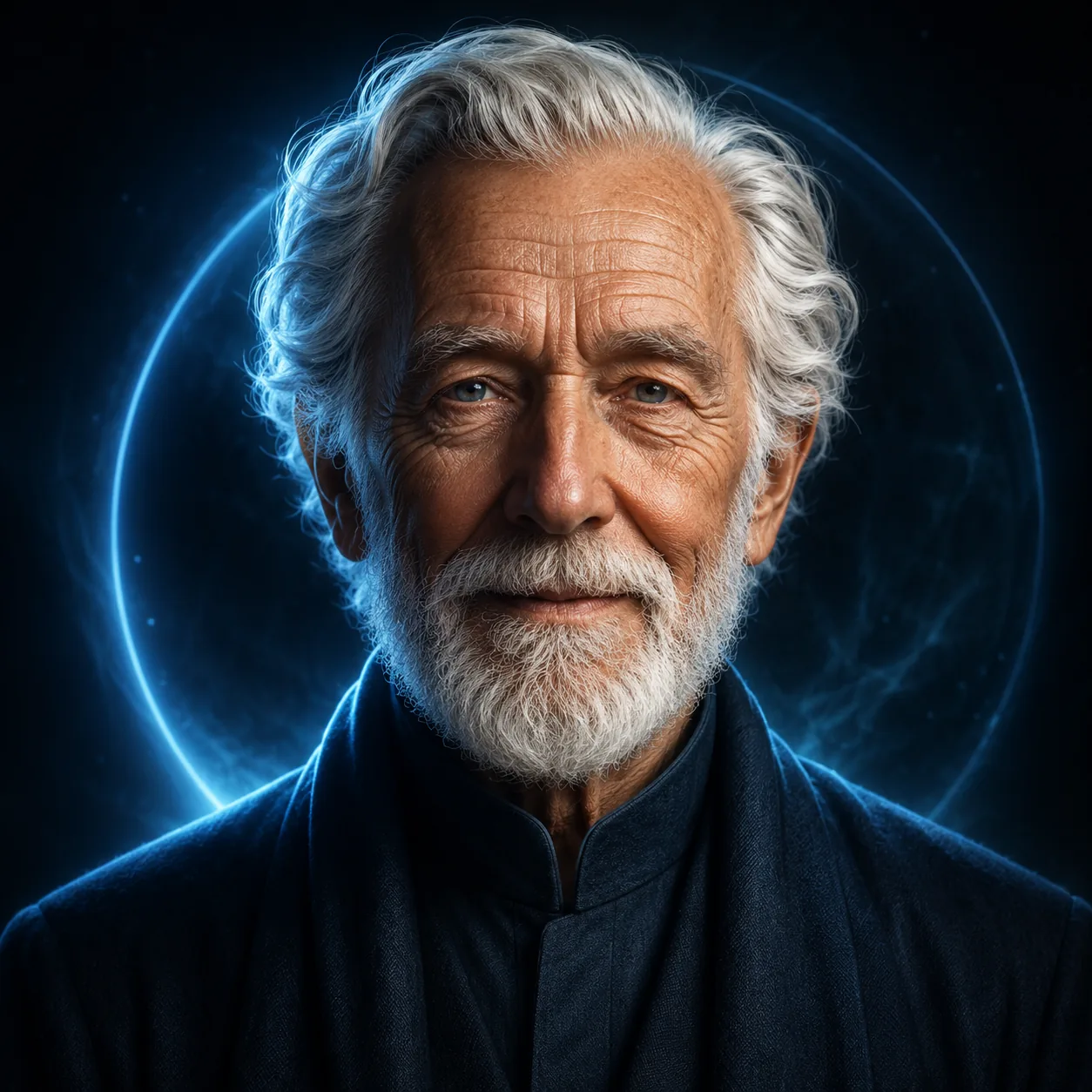 Old narrator
An older, warm male voice with a calm pace, natural authority and a slightly rough narrator tone.
 Young voice
A young, friendly voice with natural energy. Clear, likeable and light.
 Cartoon voice
A clearly animated cartoon voice for characters, intros, learning formats and creative content.
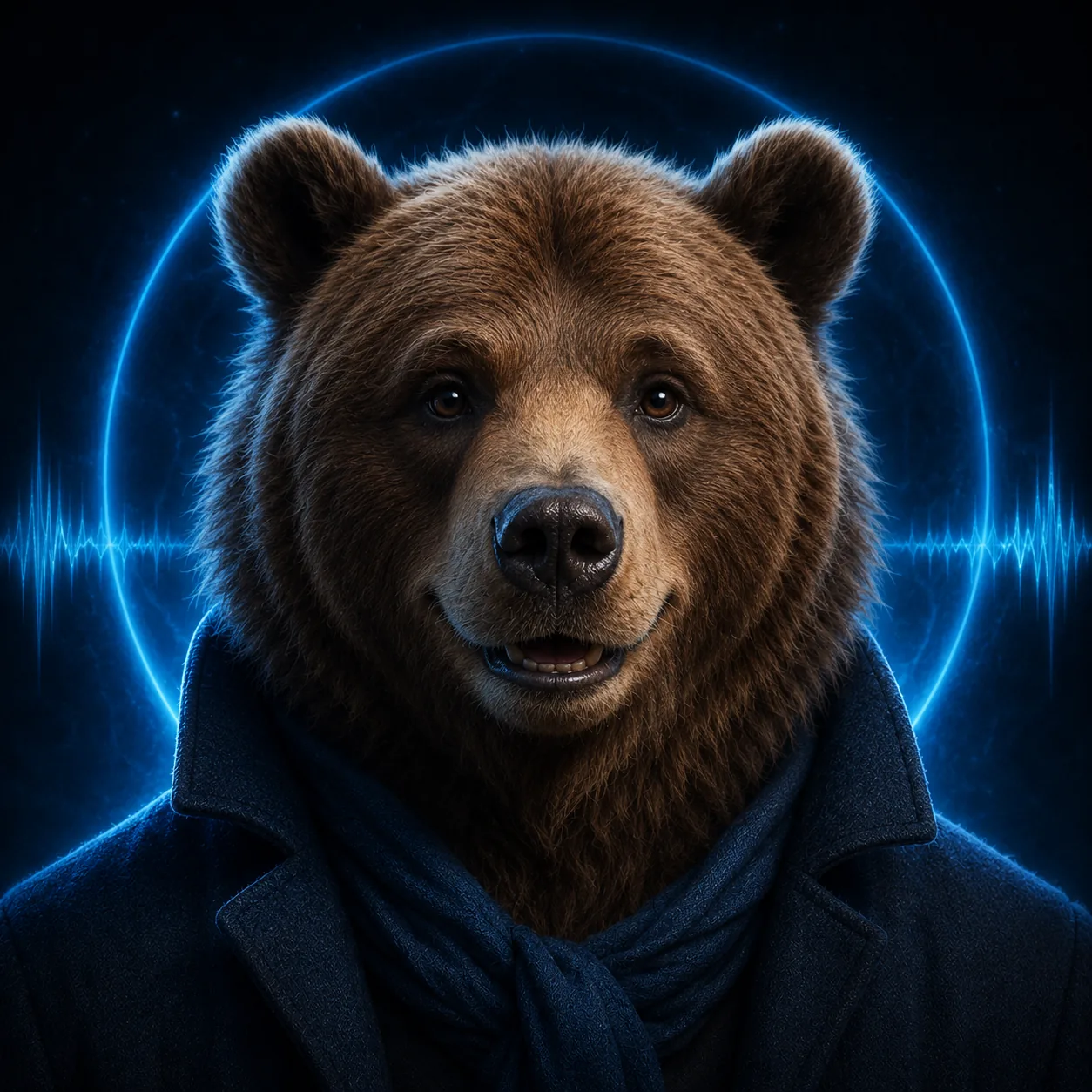 Bear voice
A deliberately different example: a deep, strong, warm character voice with an animal-like feel.
Based on your own or an authorized reference voice. Useful for creators who want to stay recognizable and reuse their voice in repeatable workflows.
Based on a description. Useful for new roles, style tests, prototypes and voices where no recording exists.
For creators who want to bring existing content into other languages without recording every video from scratch.
Multi-speakerFor interviews, podcasts and dialogue formats where different voices and roles should stay clear.
Local voiceFor repeatable production on your own machine, with less dependency on subscriptions and credit systems.
Use headphones if possible and compare the same qualities across every example. A pleasant first impression matters, but production readiness also depends on clarity, pacing and how much correction a real project needs.
Listen for pauses, emphasis and sentence endings. A useful voice should remain understandable without sounding flat or rushed.
Check names, numbers and technical terms. Multilingual profiles should be reviewed separately in every target language.
Compare more than one sentence before deciding. For recurring content, stable tone and volume matter as much as one impressive clip.
For the next step, review local voice cloning, the voice-design guide and the rules for consent and responsible use.
The samples on this page use the current VANIV sample material and help compare voice cloning, voice design and dubbing workflows.
Yes. That workflow is useful for international creators. Quality still depends on language, reference material, text and settings.
Voice cloning is better when recognizability matters. Voice design is better when you need a new voice from a description.
Compatible GPU acceleration is useful for productive local AI workflows. VANIV supports suitable NVIDIA, AMD and Intel hardware through ONNX; comfort and speed depend on the model, drivers, execution provider and available VRAM.
Use your own voice or voices where you have clear rights and permission. Serious AI audio work needs clear boundaries.
Yes. Voice is one part of the workflow. VANIV combines voice, translation, subtitles, timing, studio editing and export.
If you want to use voices, voice design, dubbing and export as one workflow instead of separate tools, VANIV is built for exactly that.